
Prickly Pear for Hemoglobin: Science-Backed Benefits
By
admin
/ January 8, 2026
Low hemoglobin is one of the most common nutritional problems in India, affecting women, children, elderly people, and patients recovering from illness. While iron tablets and injections are often prescribed, many people experience side effects such as constipation, nausea, poor absorption, or long-term organ stress. This has increased interest in natural, food-based solutions that support hemoglobin safely and effectively.
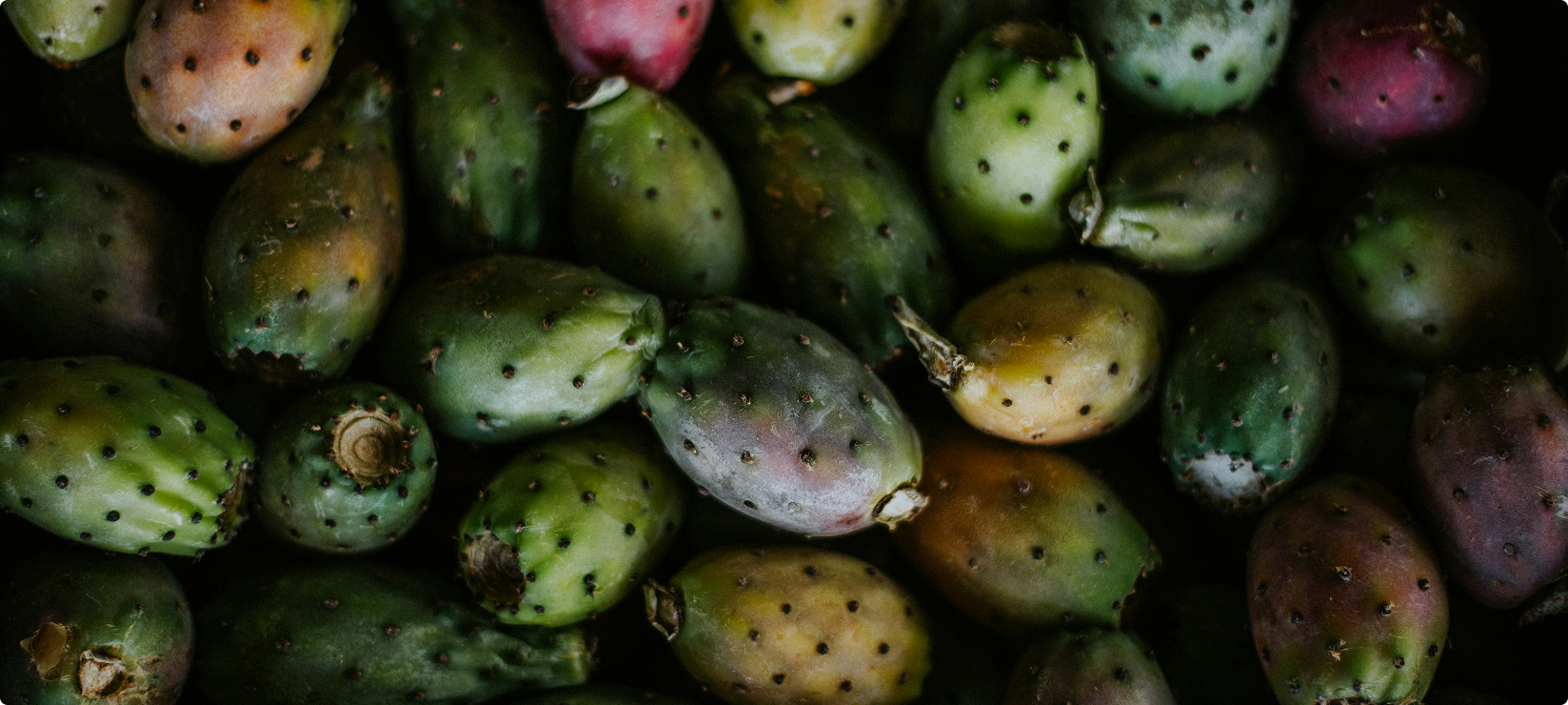
One such solution is prickly pear, also known as cactus pear (Opuntia). Backed by nutritional science and traditional use, prickly pear is emerging as a powerful fruit for improving hemoglobin levels naturally.
What Is Hemoglobin and Why Is It Important?
Hemoglobin is a protein found in red blood cells (RBCs) that carries oxygen from the lungs to all parts of the body. When hemoglobin levels drop, the body does not receive enough oxygen, leading to symptoms such as:
- Constant fatigue and weakness
- Dizziness or headaches
- Pale skin
- Shortness of breath
- Poor immunity
What Is Hemoglobin and Why Is It Important?
Iron tablets provide isolated iron, but hemoglobin production is a multi-nutrient process. The body needs not only iron, but also antioxidants, minerals, and compounds that protect red blood cells from damage.
This is where whole foods like prickly pear offer a clear advantage—they deliver iron along with supportive nutrients that improve absorption and reduce oxidative stress.
How Prickly Pear Supports Hemoglobin (Science-Backed)
- Natural Iron for Red Blood Cell Formation Prickly pear contains bioavailable iron, which helps the body produce healthy red blood cells. Unlike synthetic iron supplements, natural iron from fruits is gentler on the digestive system and easier to absorb when consumed regularly.
- Protects Hemoglobin From Breakdown One of the lesser-known causes of low hemoglobin is oxidative damage to red blood cells. Prickly pear is rich in indicaxanthin, a rare natural antioxidant pigment that helps protect hemoglobin from degradation. This is especially important for people with chronic inflammation or those undergoing medical treatments.
- Rich in Betalains – Powerful Antioxidants
Prickly pear is one of the few fruits rich in betalains,
antioxidant compounds known to reduce oxidative stress and inflammation.
Scientific studies suggest that betalains help:
- Protect red blood cells
- Support bone marrow function
- Reduce damage caused by free radicals
- Improves Iron Utilization, Not Just Intake Many people consume iron but still experience low hemoglobin due to poor absorption. Prickly pear provides a synergy of nutrients—including iron, vitamin-like antioxidants, minerals, and amino acids—that help the body use iron efficiently, not just consume it.
- Supports Chemotherapy-Induced Anemia
Chemotherapy often damages healthy red blood cells, leading to anemia and
fatigue. Prickly pear’s combination of iron, antioxidants, and detoxifying
properties helps:
- Reduce hemoglobin loss
- Support faster red blood cell recovery
- Flush toxins generated during treatment
- Gentle Detox Improves Blood Health Prickly pear acts as a natural detoxifier, supporting liver function and helping remove toxins from the body. Since the liver plays a key role in iron metabolism and blood health, gentle detoxification indirectly supports healthier hemoglobin levels.
Best Way to Consume Prickly Pear for Hemoglobin
Prickly pear can be consumed in many forms—raw fruit, juice, jelly, or nectar. Among these, 100% natural prickly pear fruit nectar (pulp) offers consistent nutrition and convenience.
Recommended Consumption:
Recommended Consumption:
- Mix 50 ml of prickly pear pulp with 150 ml of water
- Consume twice daily, preferably on an empty stomach or between meals
Who Can Benefit the Most?
- Women with iron-deficiency anemia
- Pregnant and post-partum women (with medical advice)
- Teenagers and growing children
- Elderly individuals
- Chemotherapy and chronic illness patients
- People who cannot tolerate iron tablets
Final Thoughts
Improving hemoglobin is not just about adding iron—it’s about protecting red blood cells, improving absorption, and supporting the body holistically. Prickly pear stands out as a science-backed, natural superfruit that addresses all these aspects together.