
Side Effects of Chemotherapy and Natural Ways to Manage Them
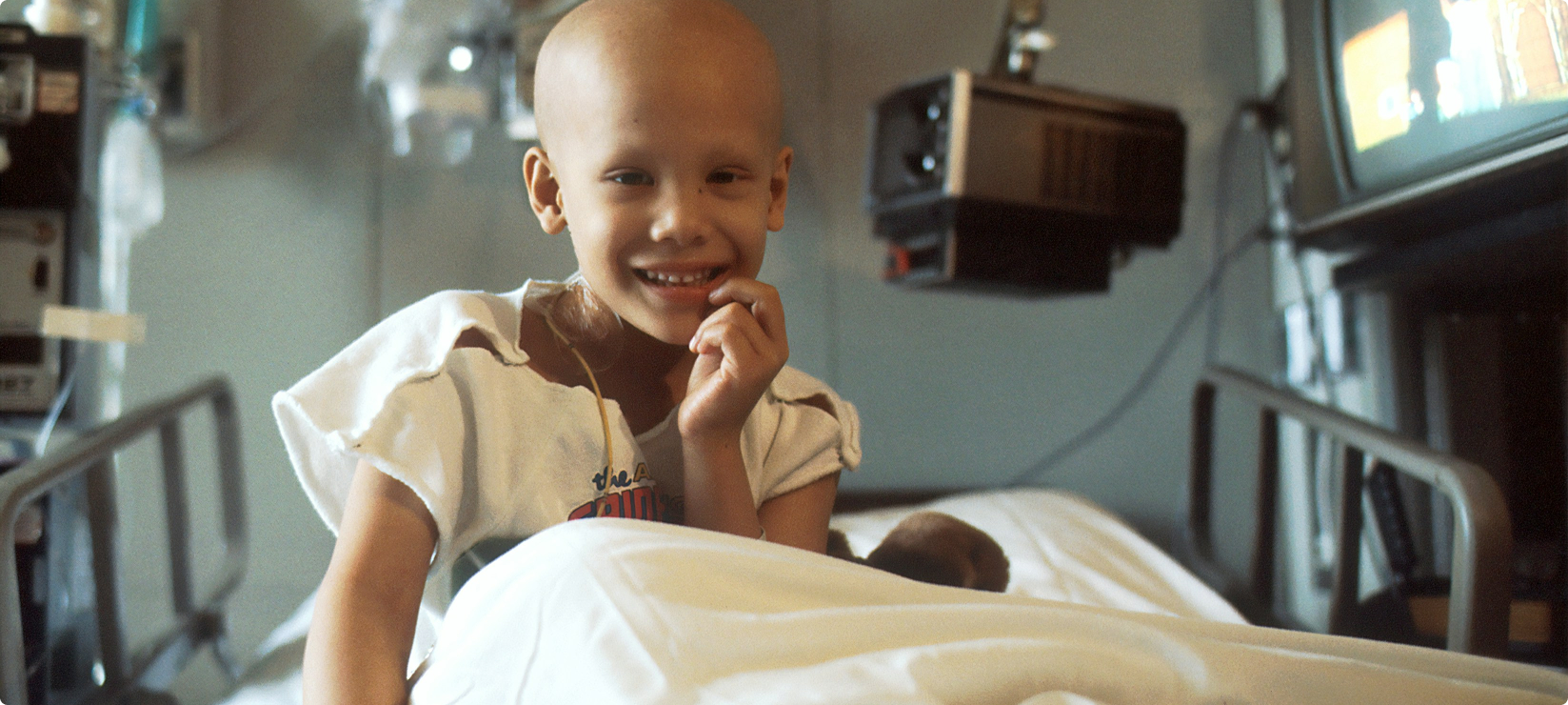
What Is Chemotherapy?
Cancer cells, like normal cells, divide and grow. The problem begins when these abnormal cells grow uncontrollably and replace healthy cells in vital organs, making the disease life-threatening.
Chemotherapy is a treatment that uses powerful drugs or radiation to destroy cancer cells or stop them from multiplying. While it is effective against rapidly dividing cancer cells, it can also affect healthy cells in the body, which leads to side effects.
How Does Chemotherapy Work?
Common Side Effects of Chemotherapy
Side effects vary from person to person, depending on the type of cancer, treatment plan, and overall health. Some people experience mild, short-term effects, while others may face more severe or long-lasting issues. Common side effects include:
- Nausea and vomiting
- Hair loss
- Extreme fatigue
- Low red blood cell count (anemia)
- Low white blood cell count, increasing infection risk
- Low platelet count, leading to bleeding or bruising
- Inflammation of the digestive tract (mucositis)
- Loss of appetite and weight loss
For many patients, these side effects can feel more distressing than the treatment itself.
Conventional Ways to Manage Side Effects
- Vitamin and mineral supplements
- Iron tablets or iron injections
- High-dose antioxidant supplements
- Pain relievers and supportive medications
Is There a Natural Way Out?
Yes. Patients undergoing chemotherapy often face physical exhaustion, emotional stress, and financial strain. A gentle, nutrition-rich dietary support can help the body cope better during treatment.
One such natural option is prickly pear, also known as cactus pear. This nutrient-dense fruit has been traditionally valued for its healing and restorative properties.
How Prickly Pear Supports the Body During Chemotherapy
Prickly pear is rich in essential minerals and powerful natural compounds that help the body sustain itself during chemotherapy:
- Iron helps reverse chemotherapy-induced anemia caused by damage to healthy red blood cells.
- Calcium supports bone strength, which can weaken during prolonged treatment.
- Indicaxanthin, a natural antioxidant pigment, helps reduce hemoglobin degradation.
- Betalains, rare plant compounds, have antioxidant and anti-cancer properties.
- Natural detoxifying properties help flush out toxins generated during chemotherapy, supporting liver function and overall recovery.
Unlike synthetic supplements, prickly pear provides these nutrients in a natural, food-based form that is generally easier for the body to absorb.
Best Way to Consume Prickly Pear
Prickly pear can be consumed raw, as juice, jelly, or in other food forms. Among these, prickly pear fruit nectar made from 100% natural fruit pulp is considered one of the most effective options.
Recommended method:
Mix 50 ml of prickly pear pulp with 150 ml of water and consume twice daily. This simple routine can help strengthen the body’s natural defenses, support hemoglobin levels, and aid recovery during and after chemotherapy.
Final Thoughts
Chemotherapy is a powerful tool against cancer, but its side effects can be challenging. While medical treatment should always remain the primary approach, natural nutritional support like prickly pear can play a valuable complementary role. By nourishing the body gently and naturally, patients may experience better energy levels, improved resilience, and a smoother recovery journey.